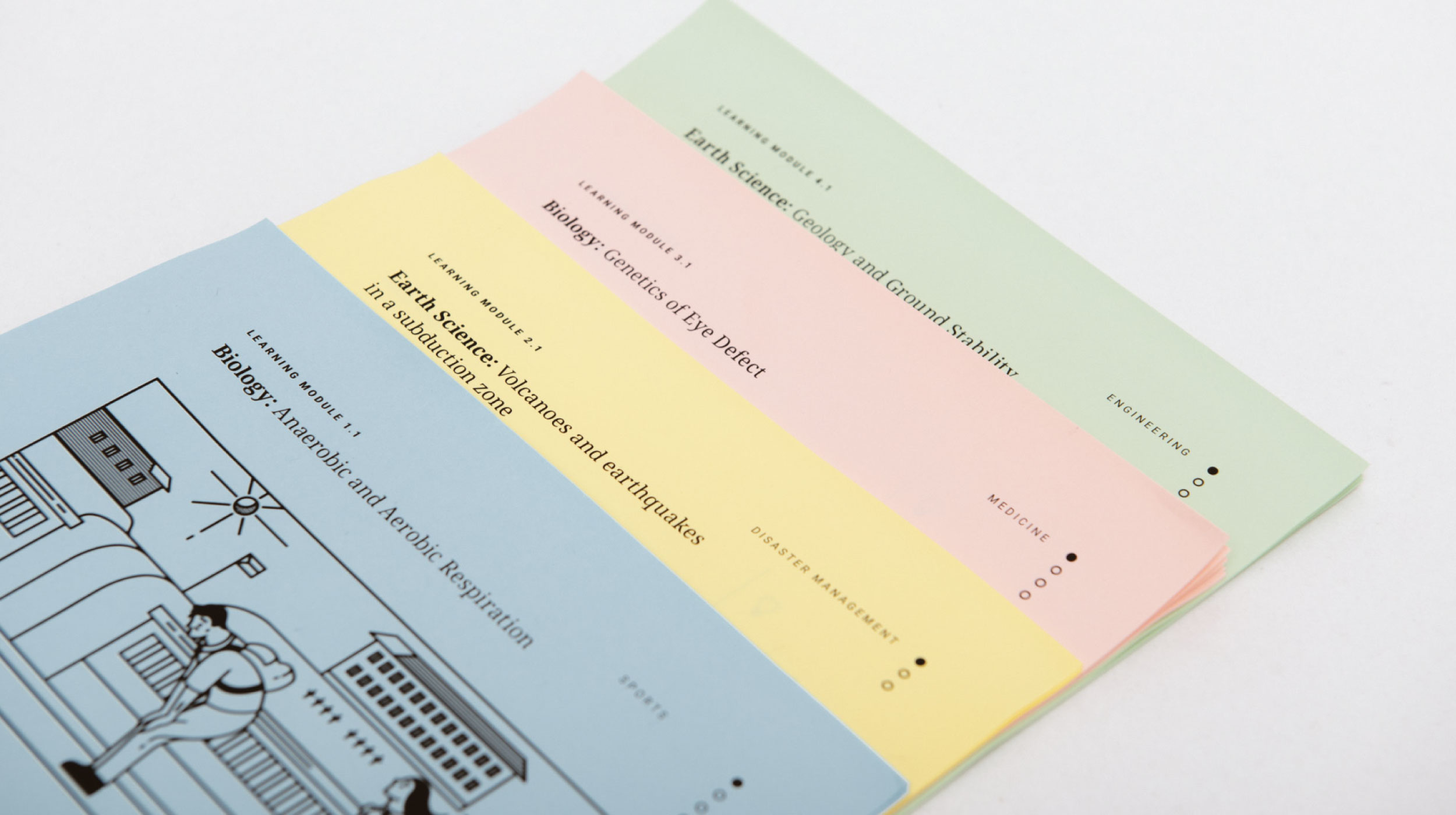
Our first official project under Helping Half was to design the learning resource materials for Science, Technology, Engineering, and Mathematics (also known as STEM) used by Science High School students. This project was funded by the United States Agency for International Development (USAID), in cooperation with the Philippine Business for Education organization.
The entire book is a 100+ page volume consisting of four learning modules with the themes Sports, Disaster Management, Medicine, and Engineering. Each adopted a multi-disciplinary approach to the “acquisition, appreciation, and enhancement of knowledge” of the fundamental concepts of STEM disciplines.
The end goal: To facilitate a seamless learning experience for Science High School students and to encourage them to pursue further education in the different fields of STEM.
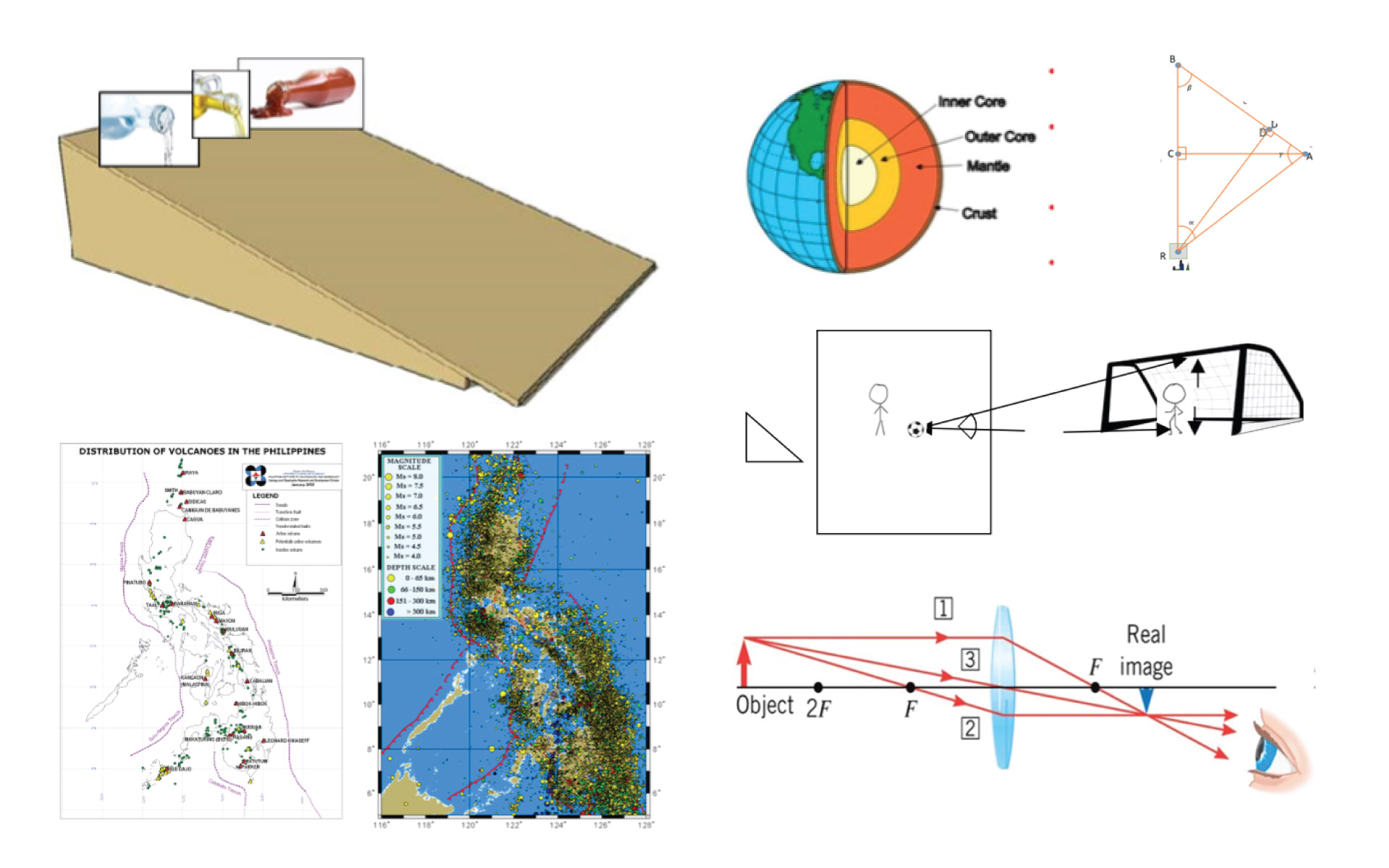
Every module had different authors. They had discussion portions complete with matching graphs and illustrations. These also included activities that can be conducted in class or completed by individuals. However, because of the varying origins of these modules, we found that the illustrations, categories, layouts, and hierarchy of information were inconsistent and unfit for mass dissemination and reproduction.
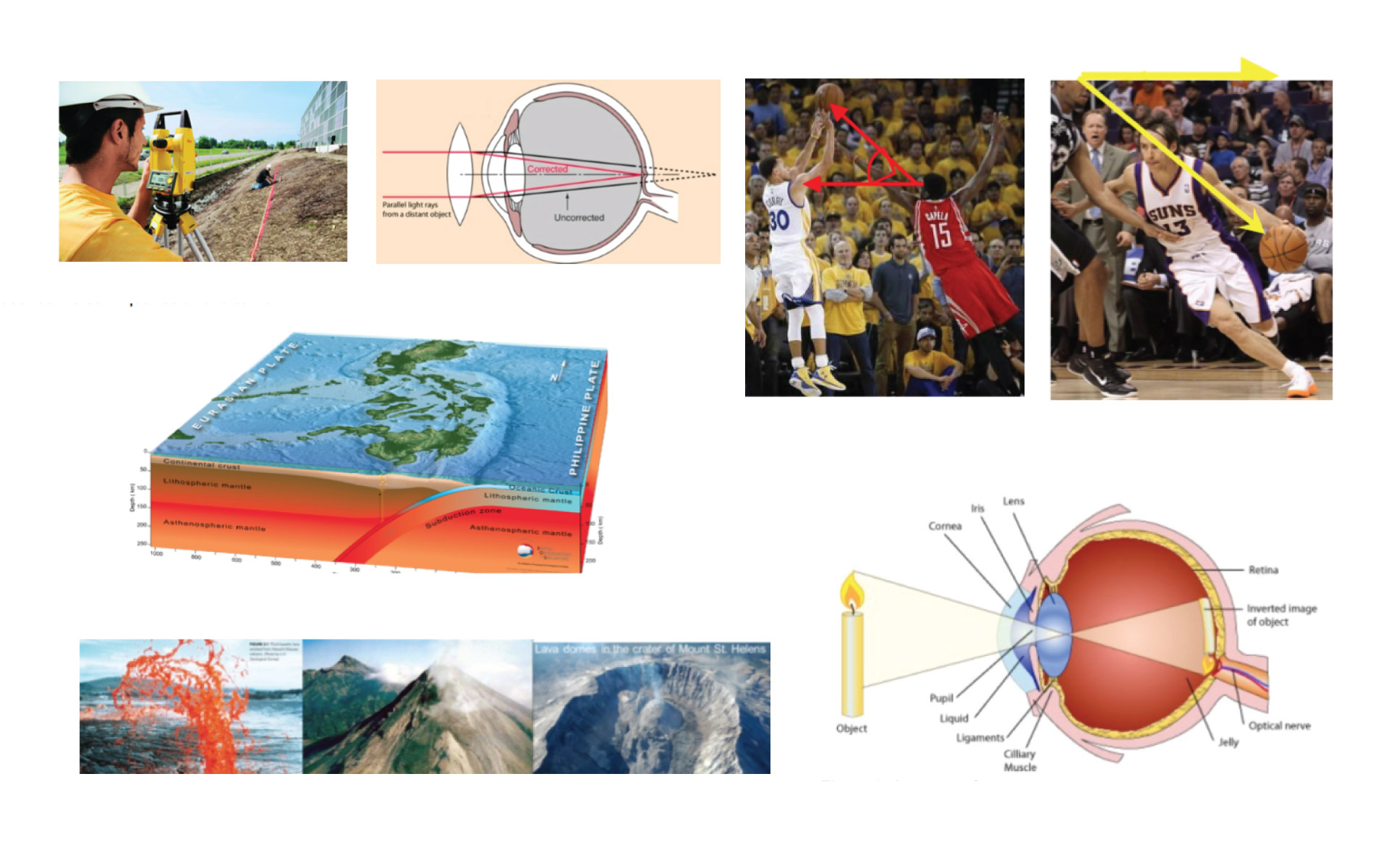
One of the first problems we encountered were the images. Some modules used photographs, while others used illustrations. Another problem was the fact that these were going to be reproduced via black and white photocopying. This meant that activities that involved looking at colors, such as the color vision test below, would be rendered useless.
The categories used by the modules followed no standard format. Some would have Introductions and Objectives, while others simply jumped into the discussion of the topics.
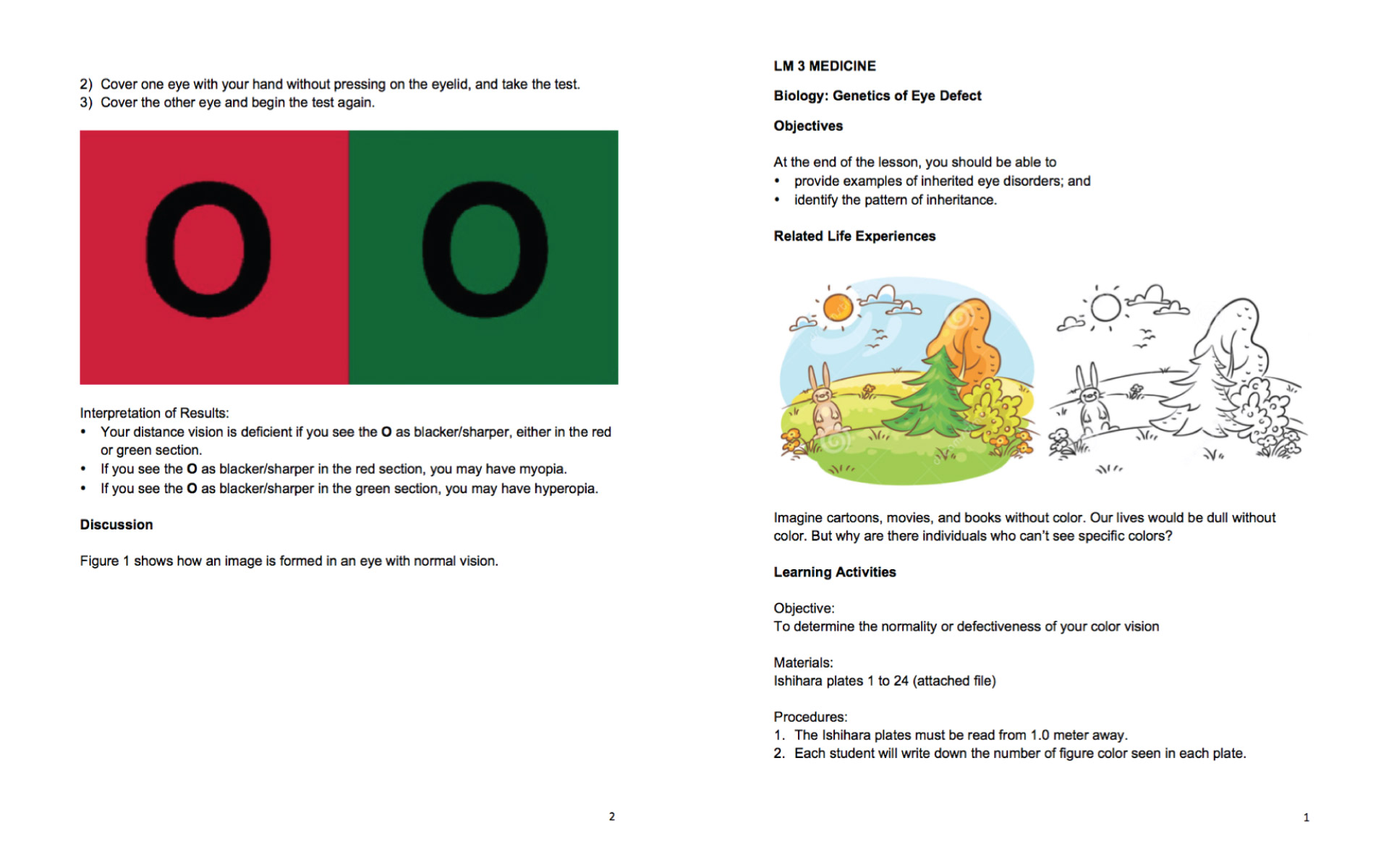
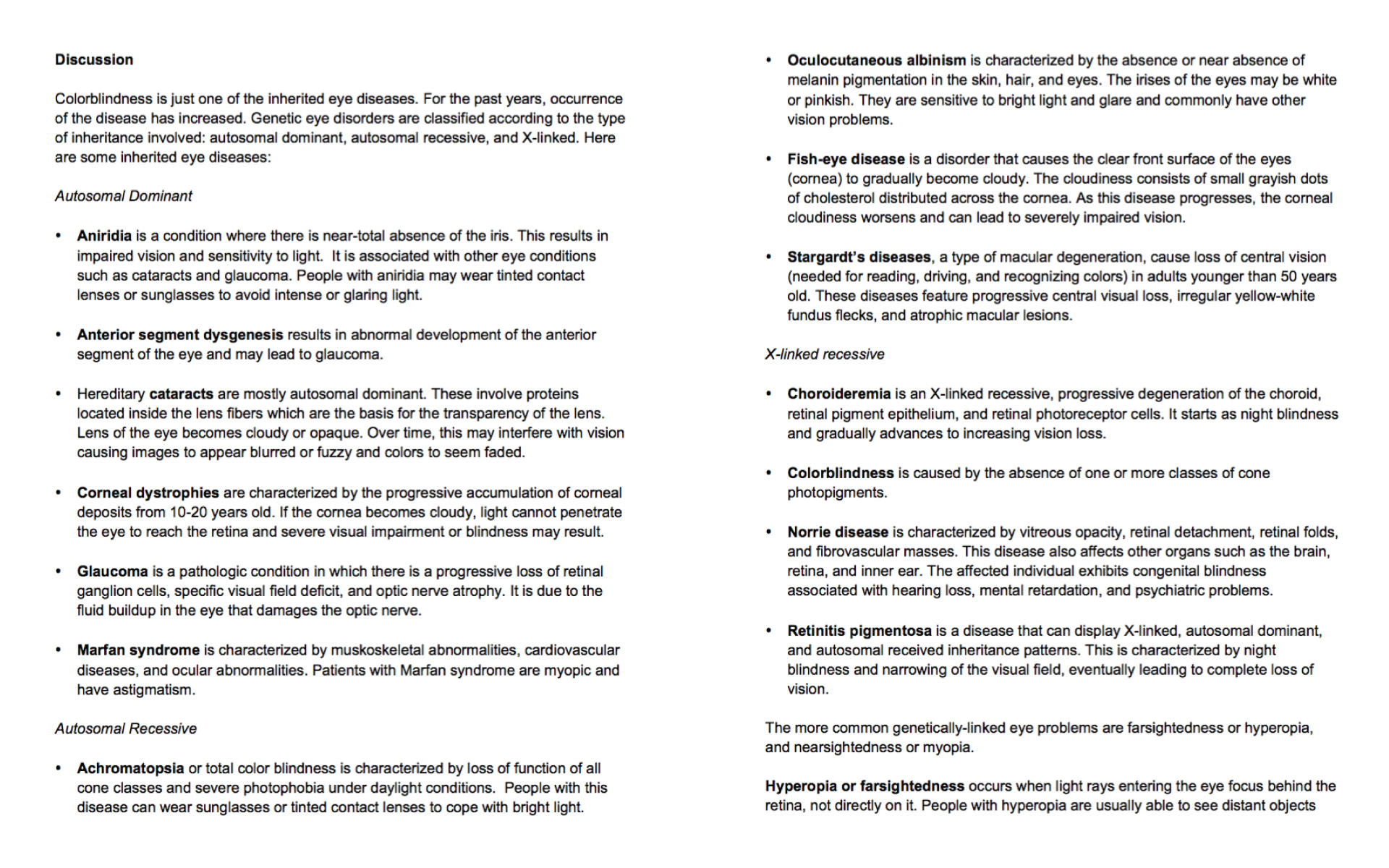
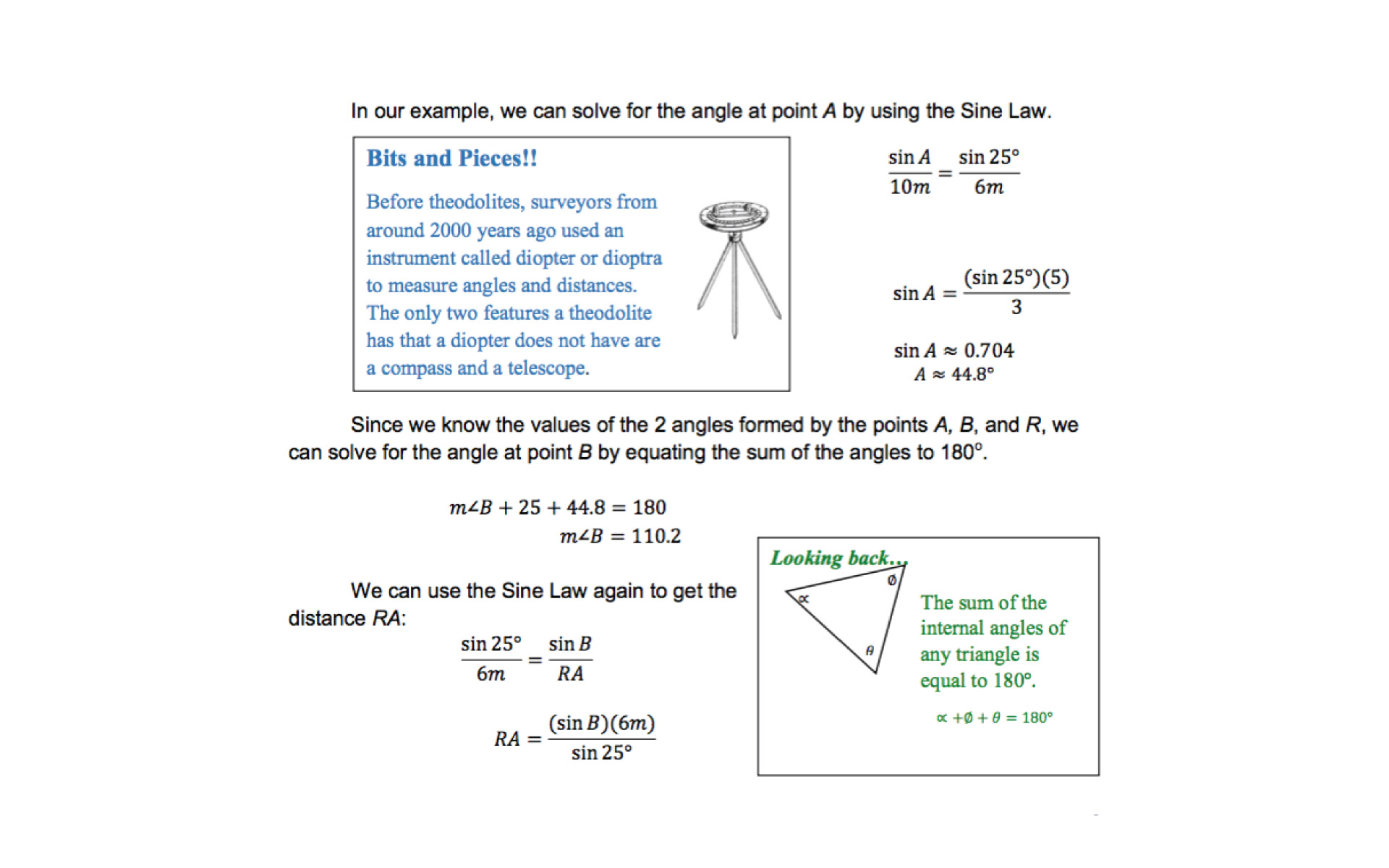
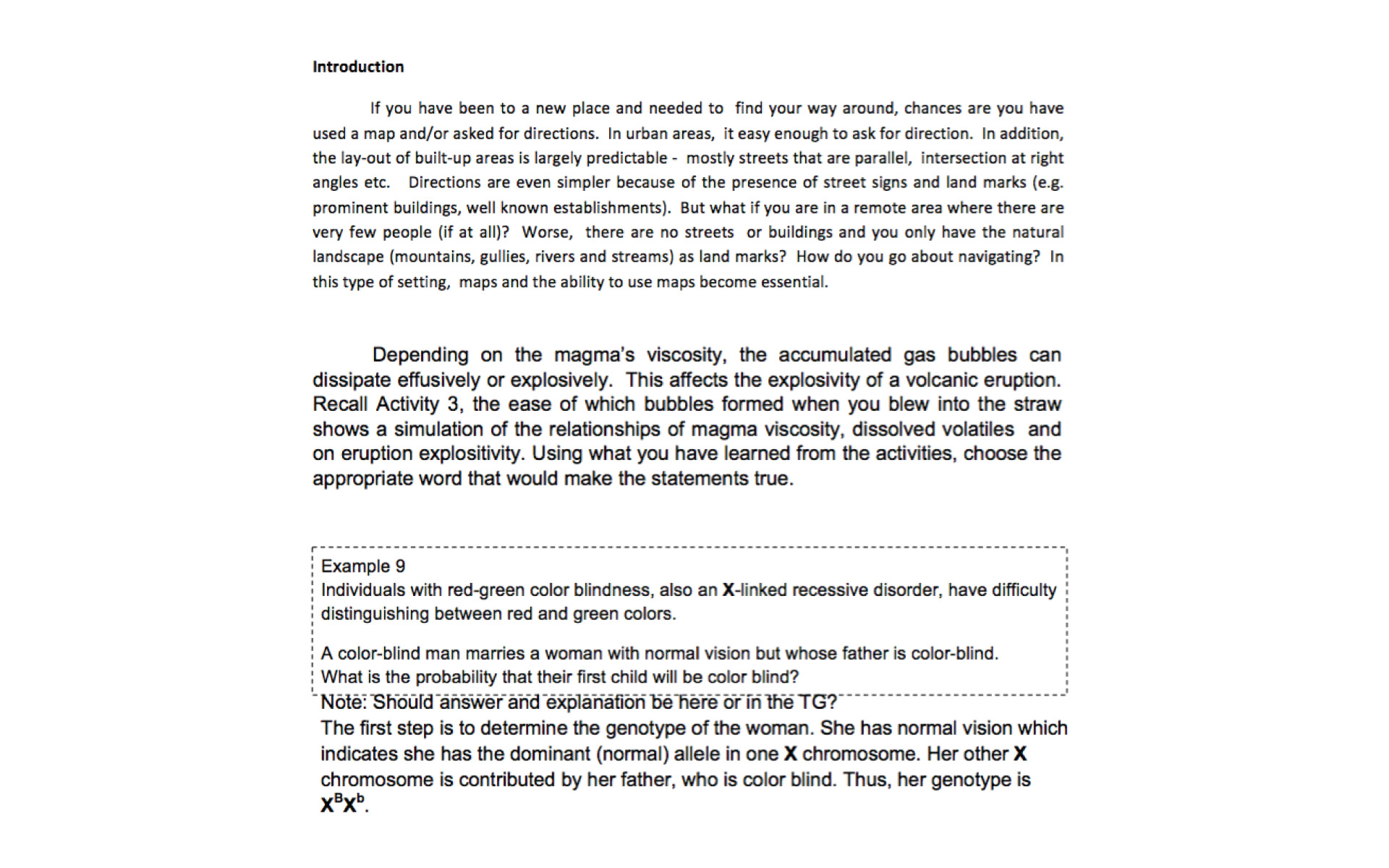
The layout also varied from module to module. Some would be one column, while others were laid out in two. Font sizes were arbitrary and the line height too tight, making it difficult to read.
With no standard hierarchy, it was hard to discern when a module ended and when another one began. Contrary to the definition of a module, these modules were inflexible and nonstandard—basically, not modular.
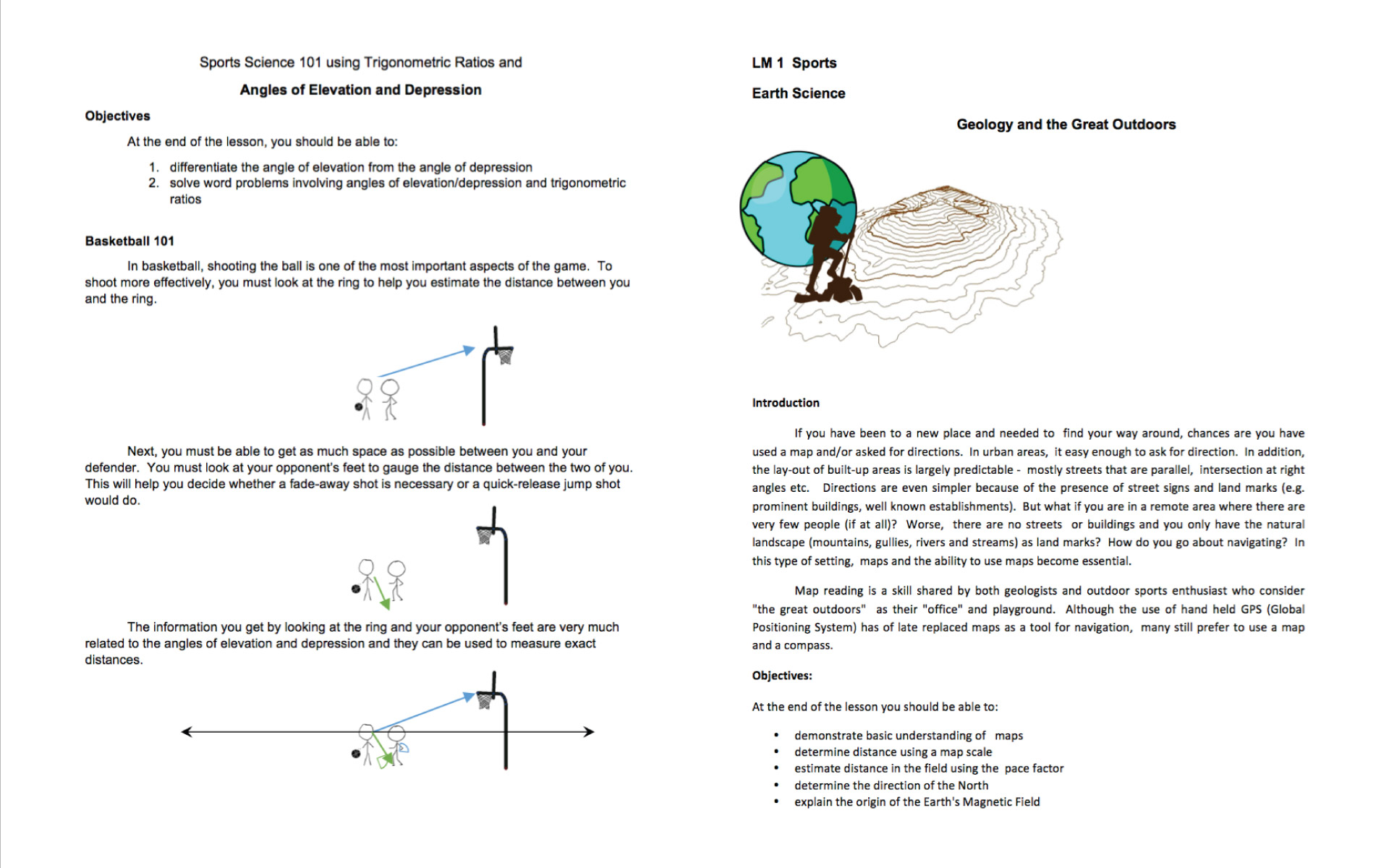
We needed an appropriate structure for the content. The first step was to develop a content sequence that was appropriate and logical, which meant that it had to be self-explanatory for both lecturer and student. Functional devices were needed like a Table of Contents, chapter titles, headings, and outlines. Following the multimedia and contiguity principle, all of our images had to be intentional and maximized, with appropriate text accompanying and aligned to each one.
For us, the goal was clear: To design a science module that is engaging and relatable.
We were to create a system that helped students navigate through the entire workbook. It had to be a module efficient for mass production and distribution.
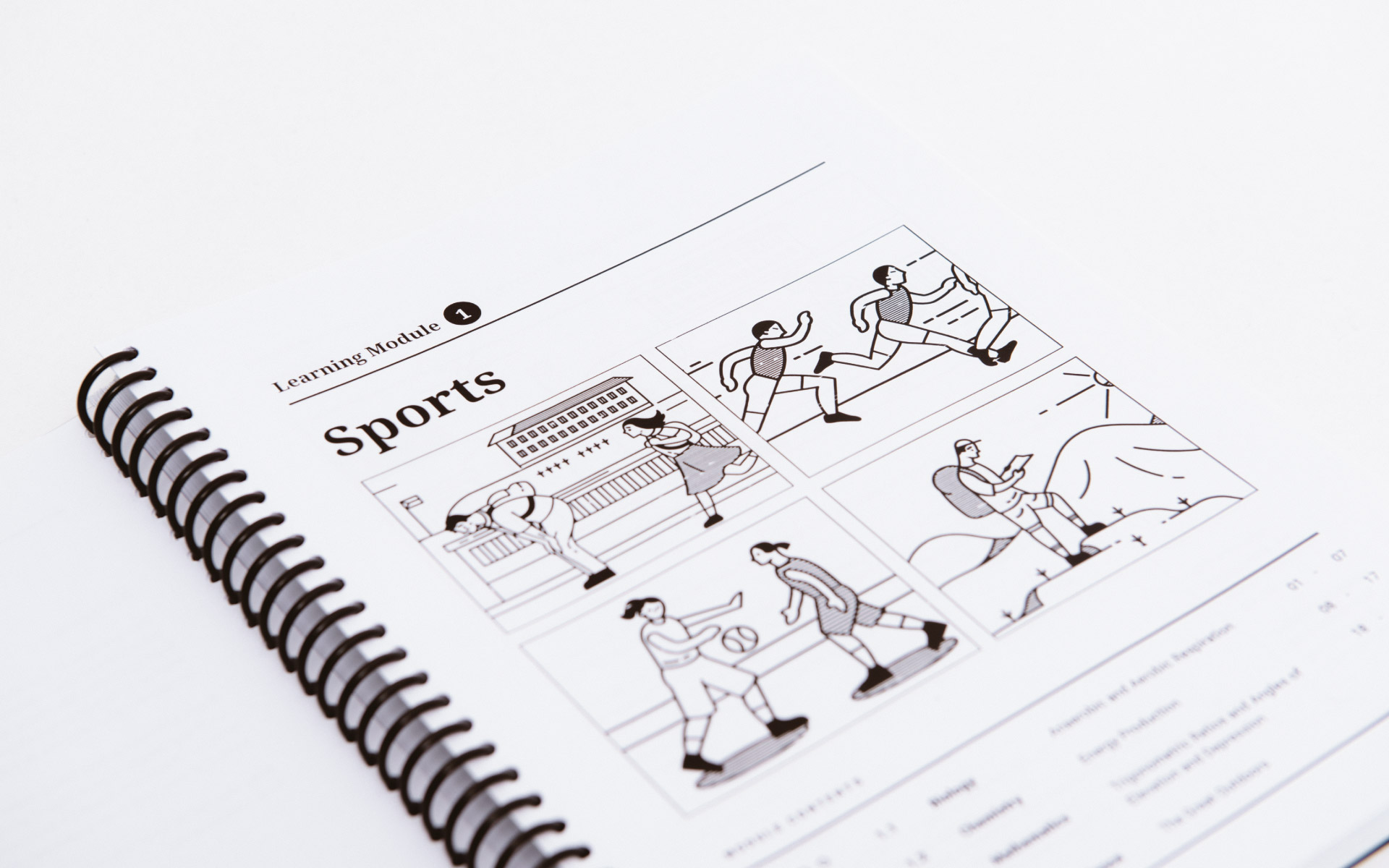
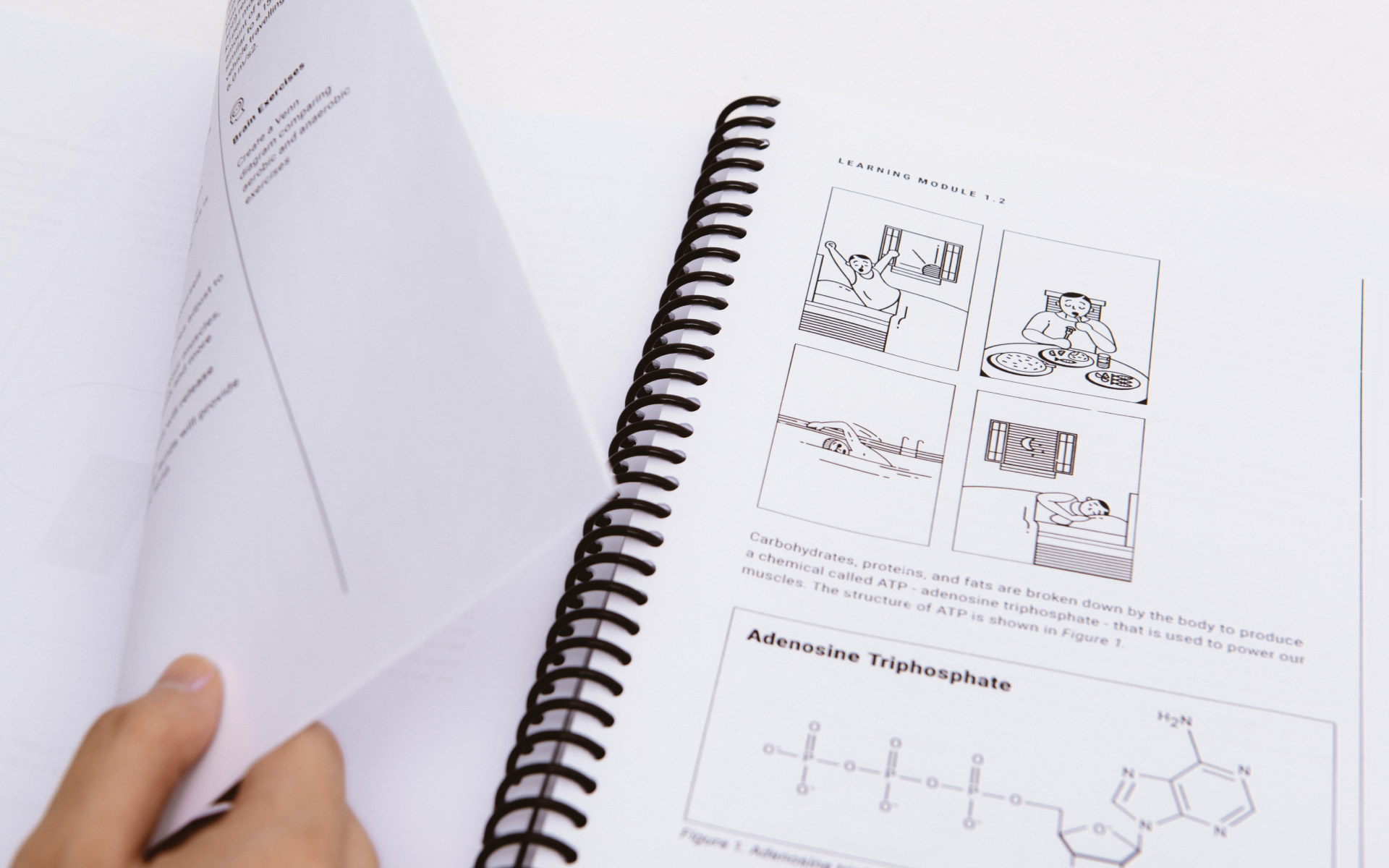
The redesigned Science Modules —
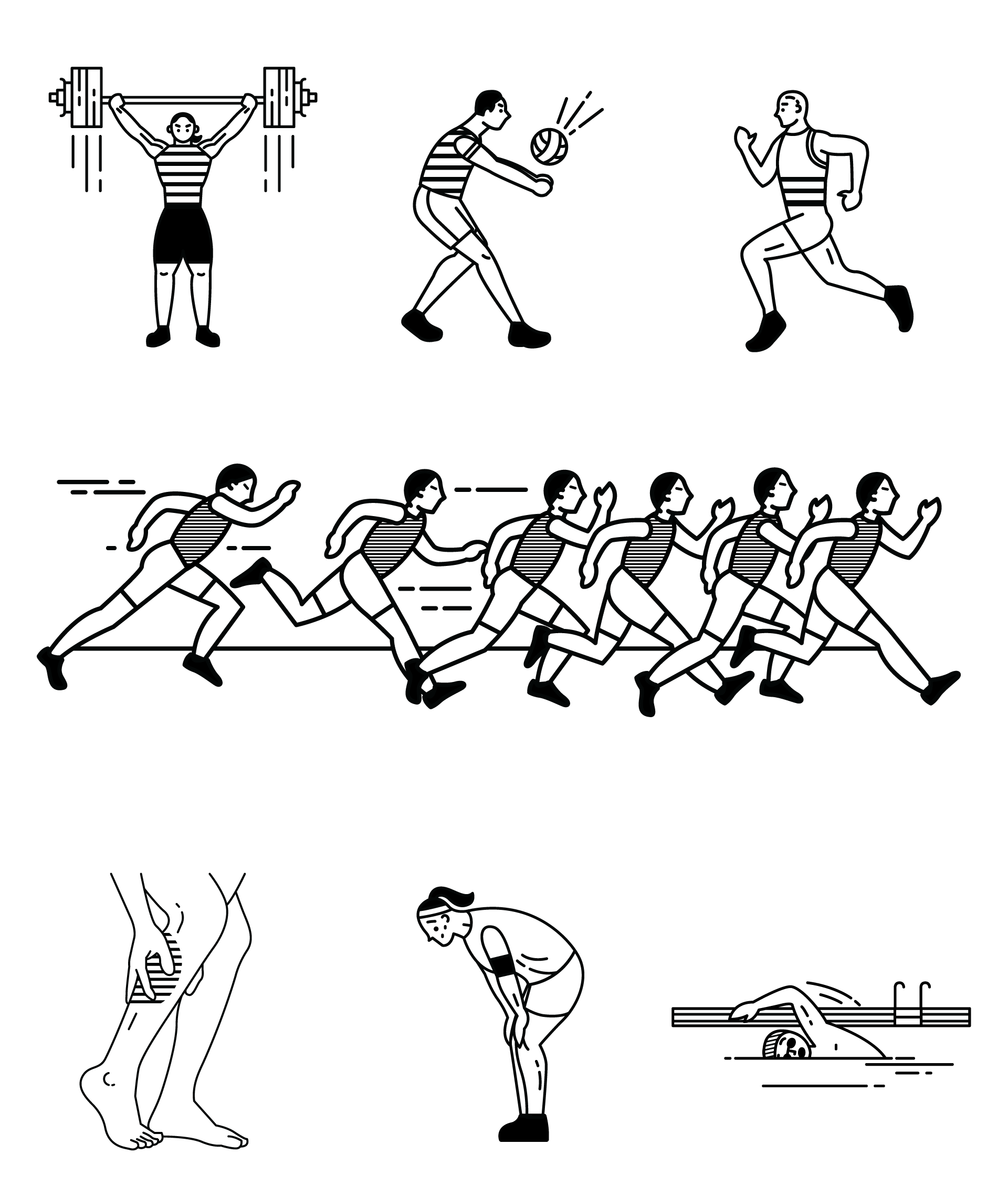
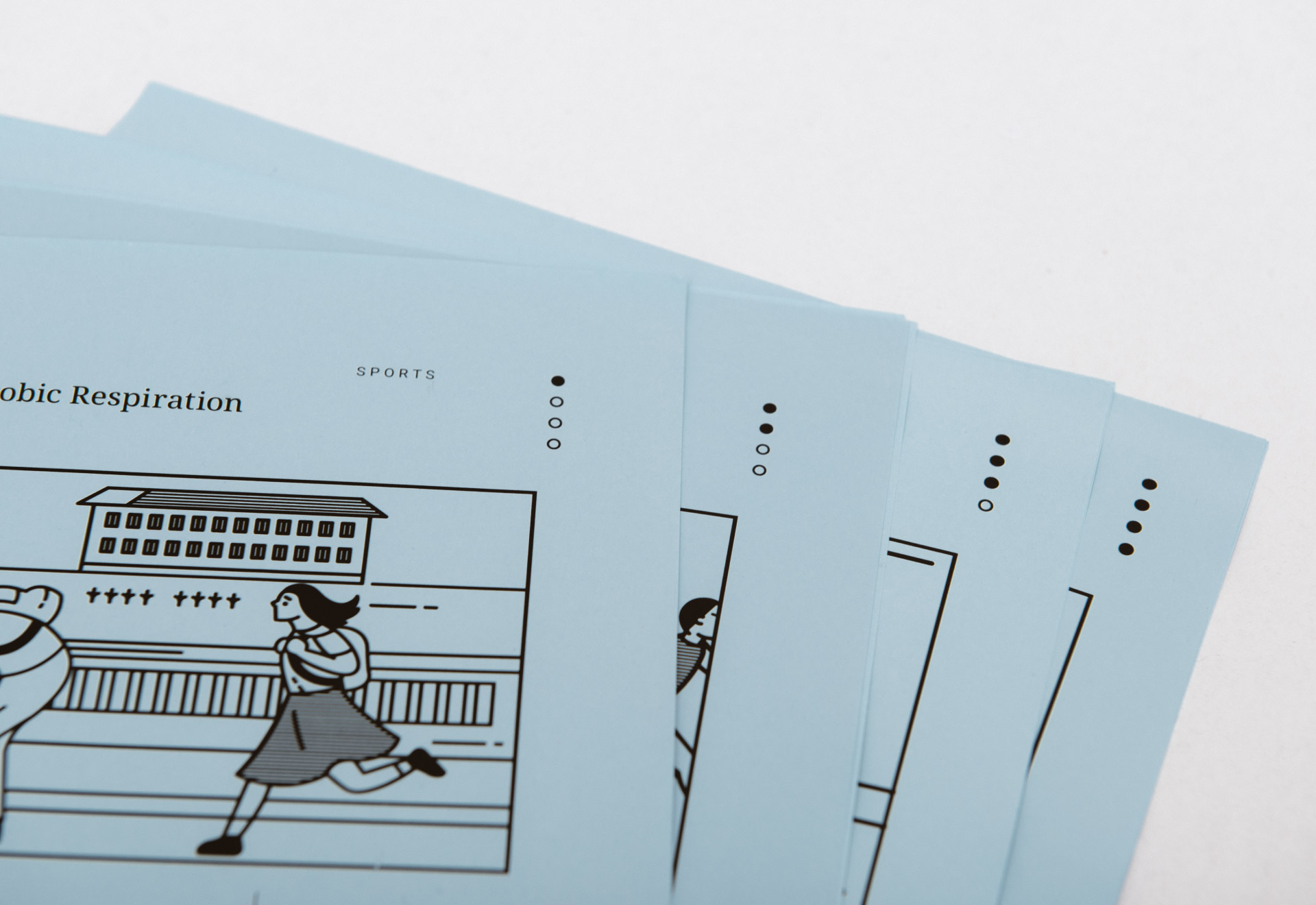
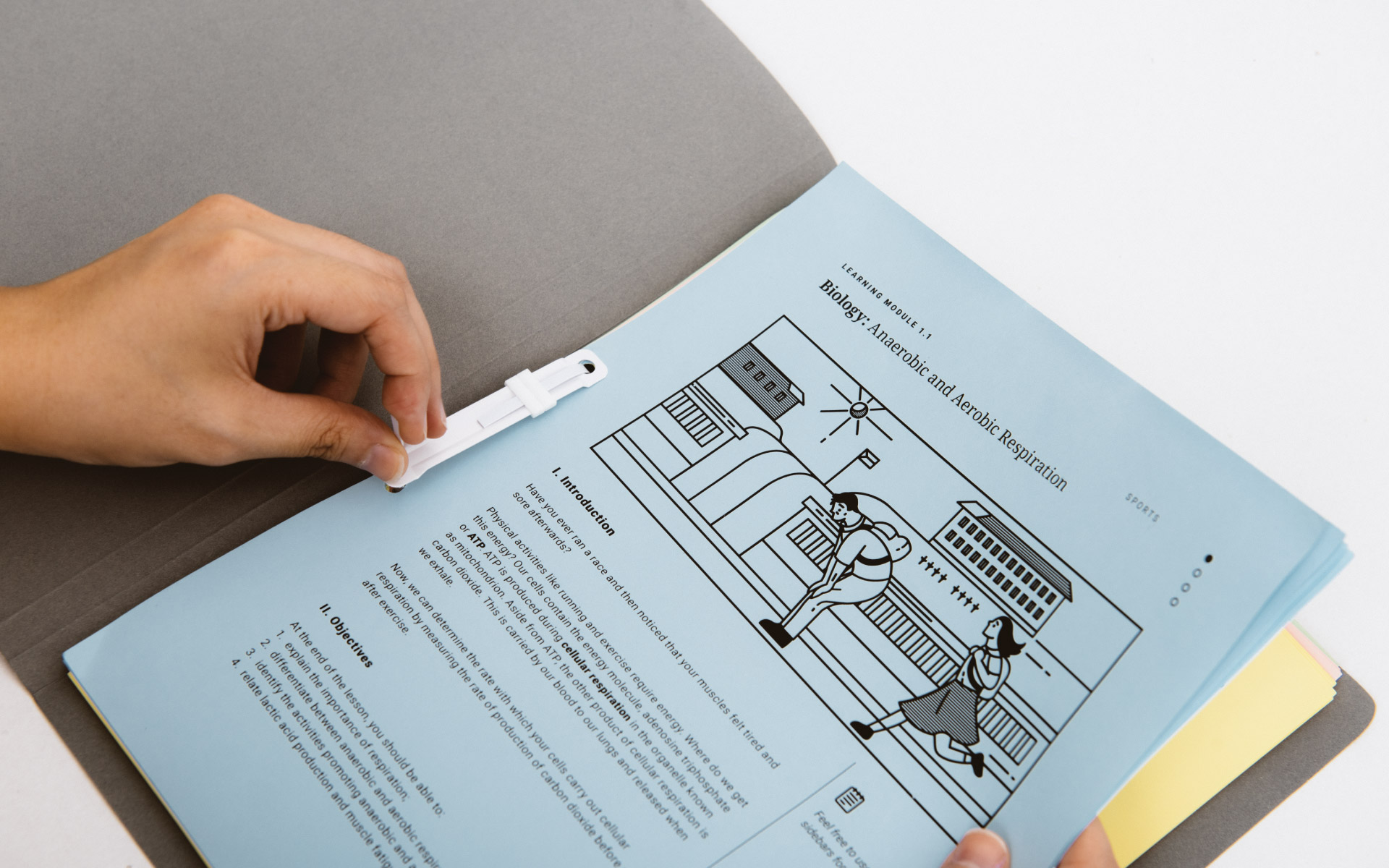
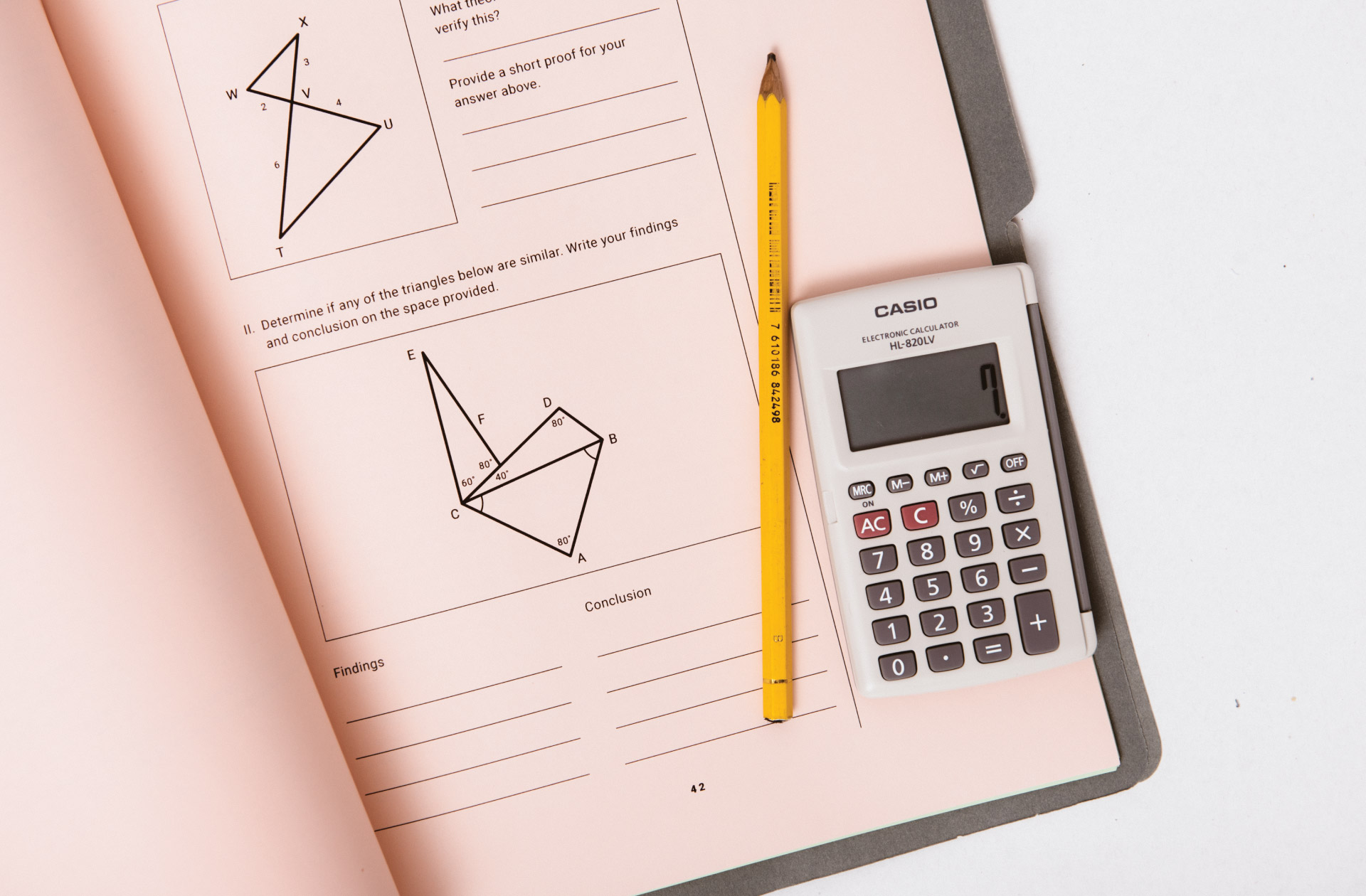
Our first design solution was to implement consistency to the content. We redrew all of the images and photographs, following a line-art illustration style that made use of similar strokes and patterns for easy reproduction. The illustrations also ensured that there was equal representation of both men, women, and different body types. Buildings and landmarks were all drawn from places in the Philippines, such as the University of Santo Tomas and Mayon Volcano. We also redrew the tables and graphs for clarity.
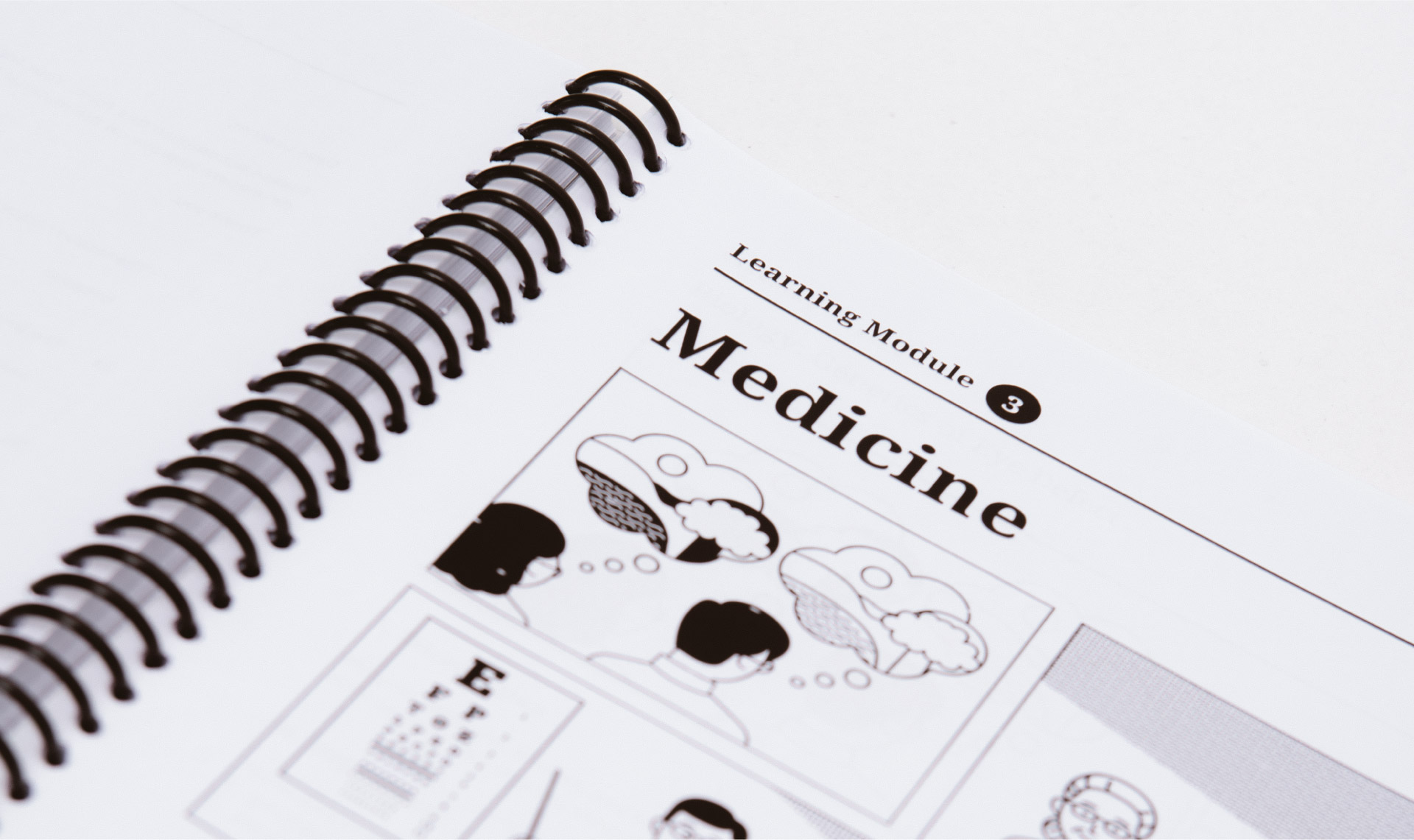
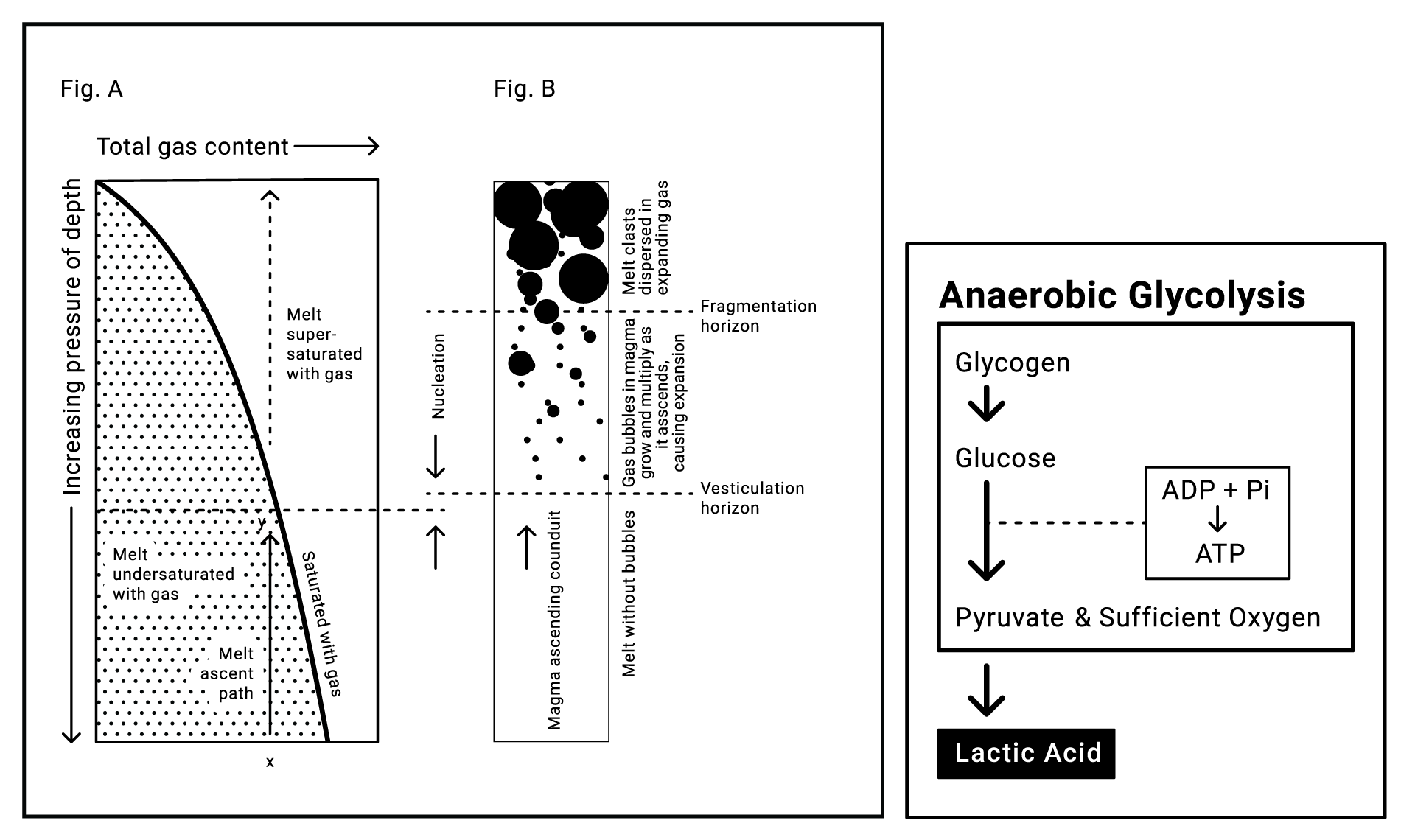
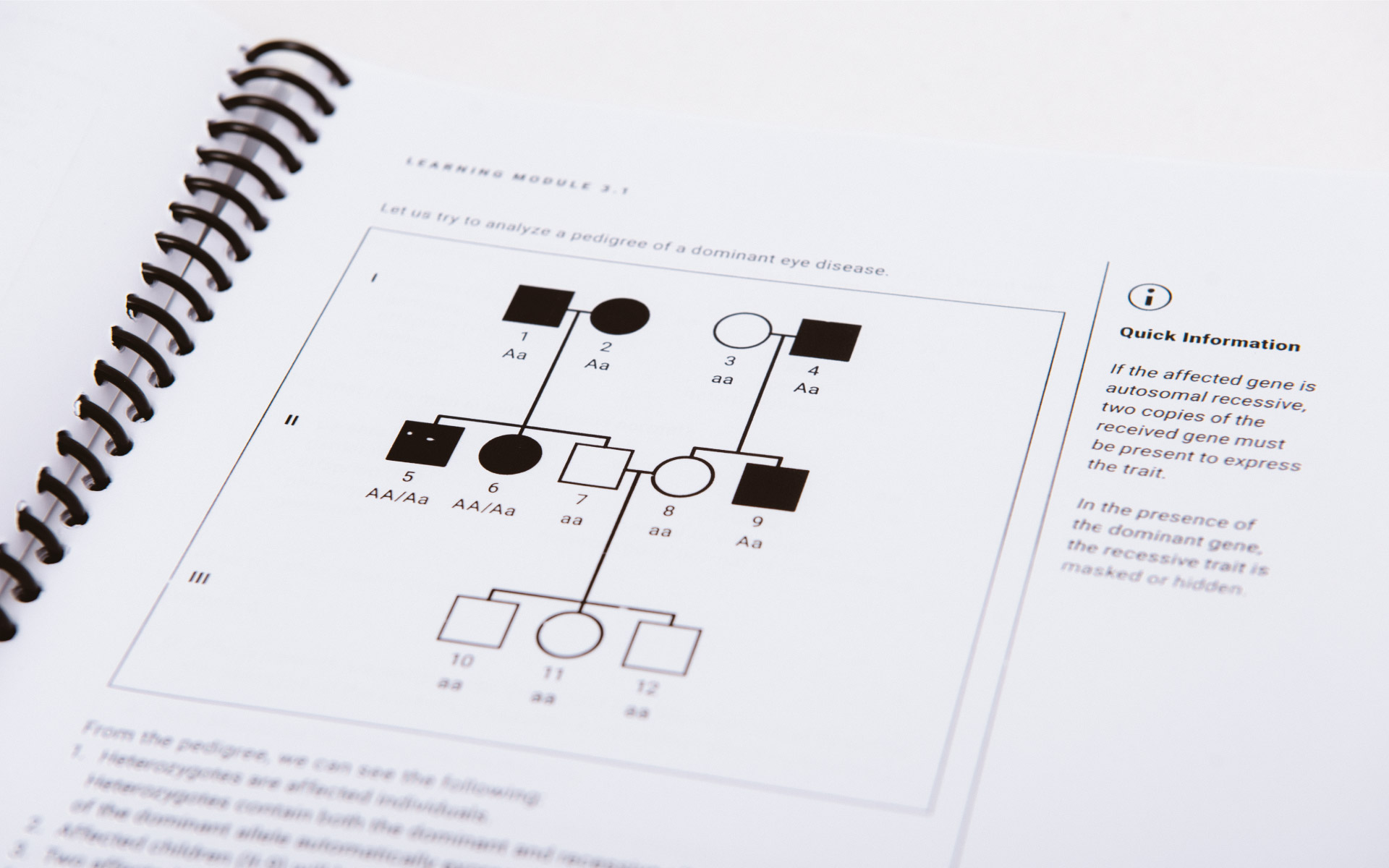
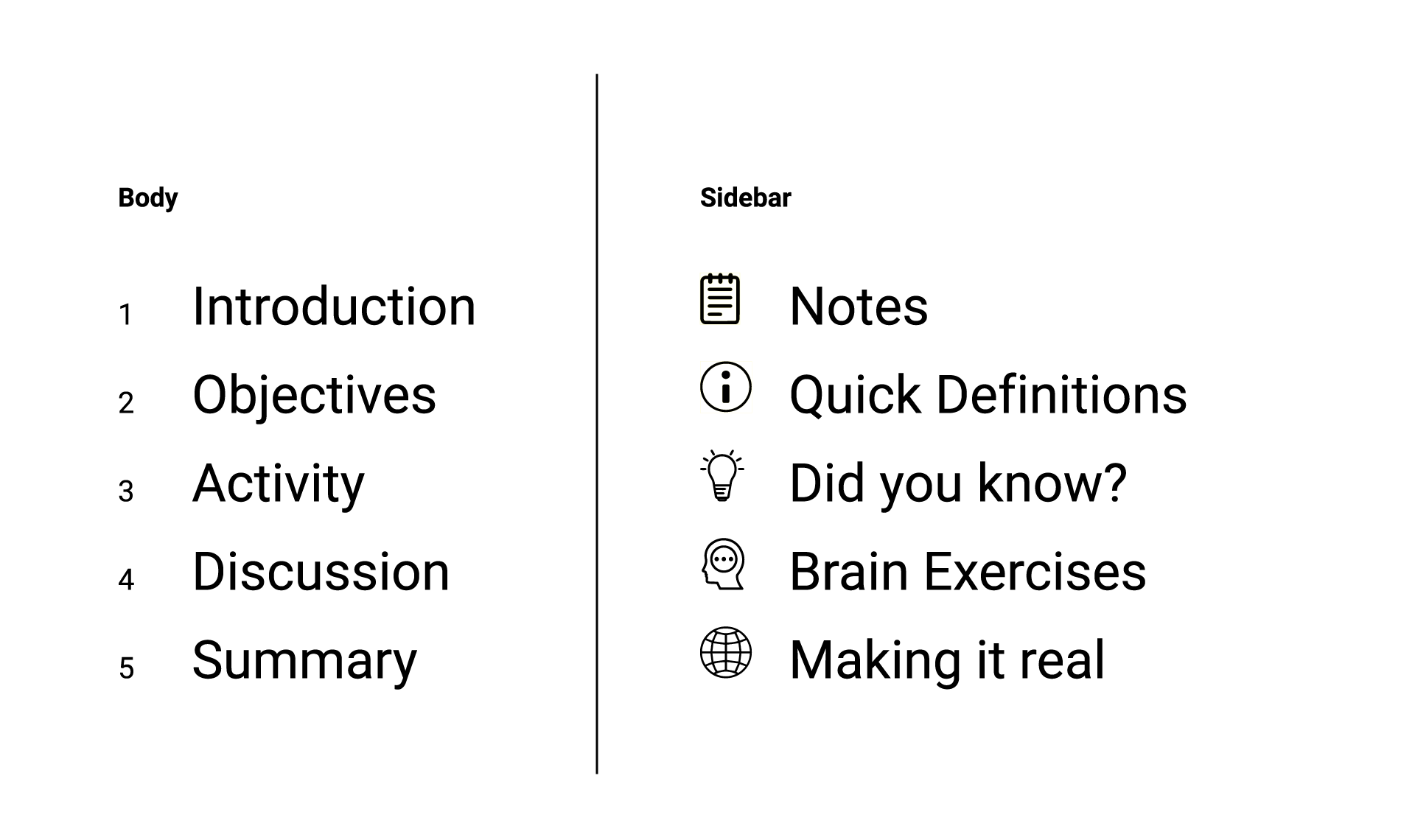
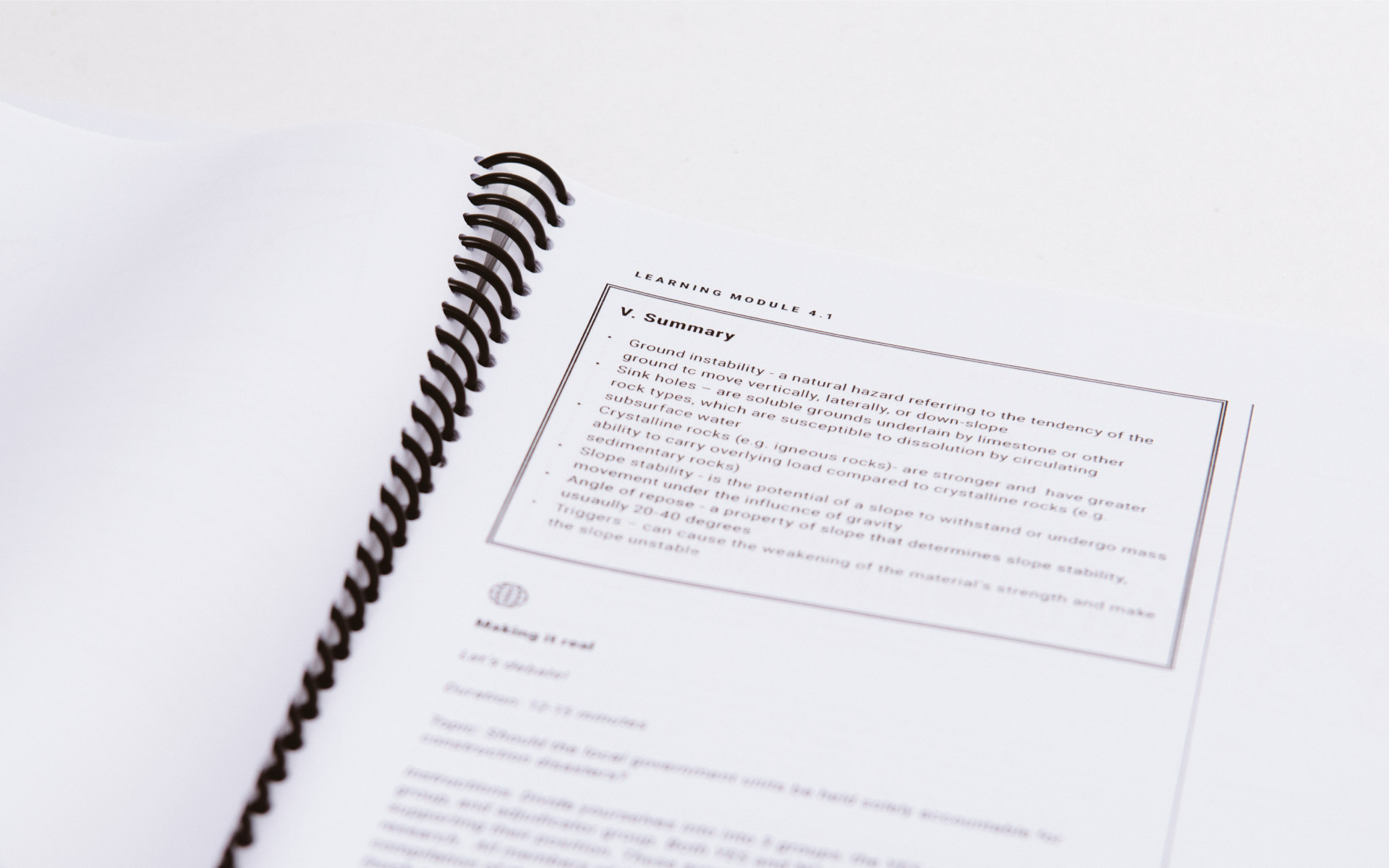
We renamed and standardized categories across all of the modules. Sidebars were created to accommodate quick facts to make the most of the space. In instances that the module didn’t have any, we converted the extra space to a section for notes.
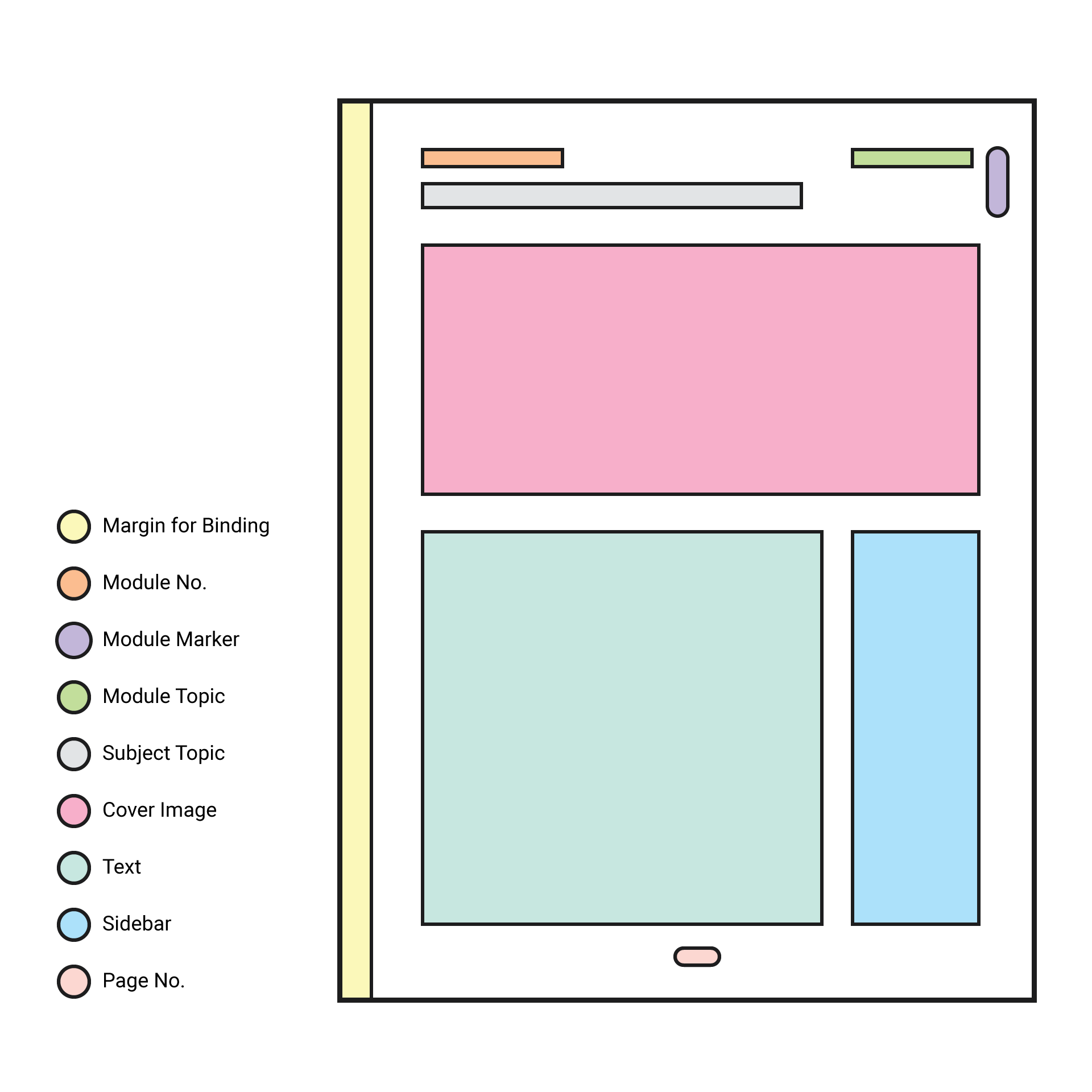
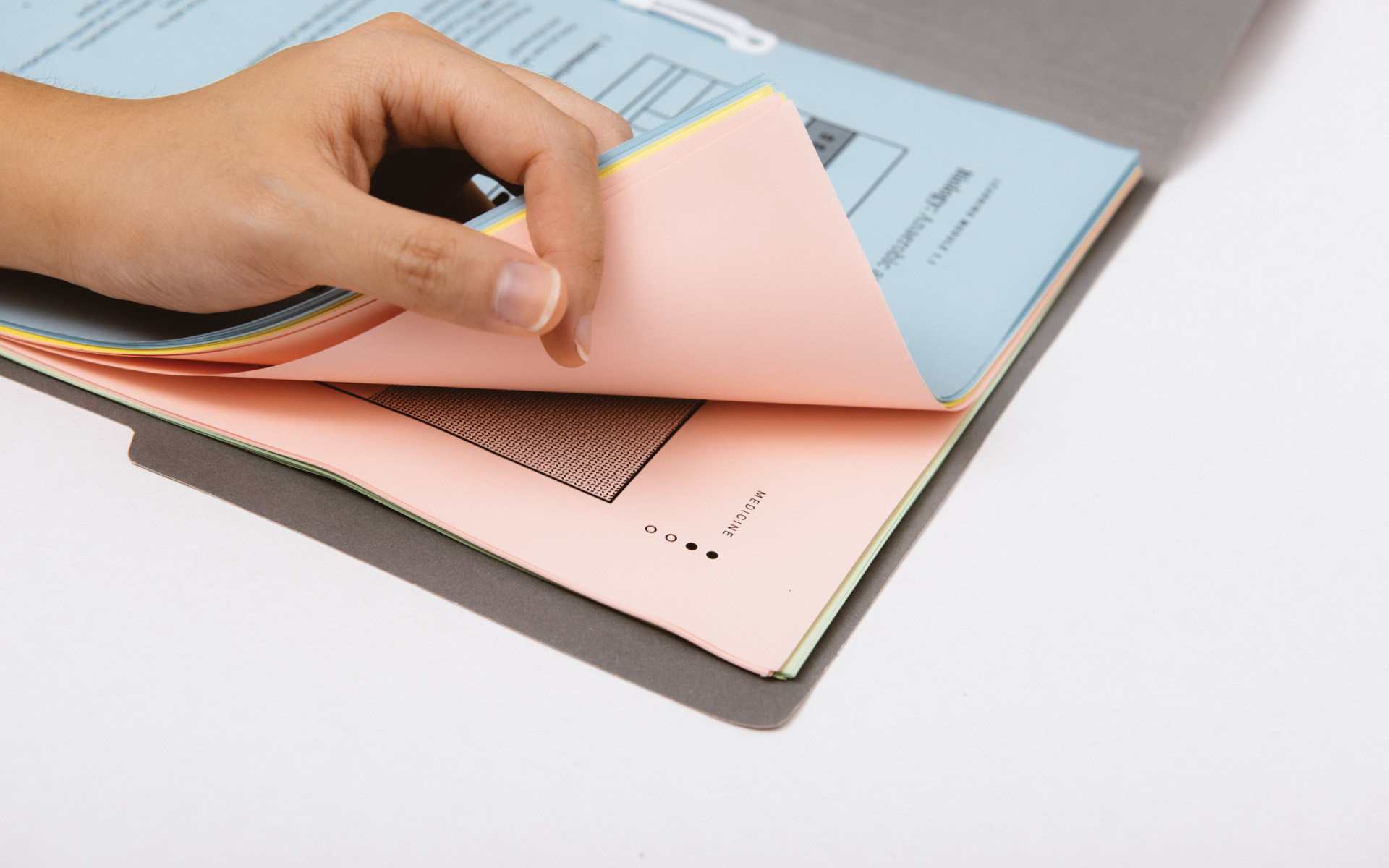
The workbook could be taken apart by module and it would still make logical sense to both student and teacher by establishing a hierarchy. This was done to help categorize information and to improve the learning experiences of Science High School students.
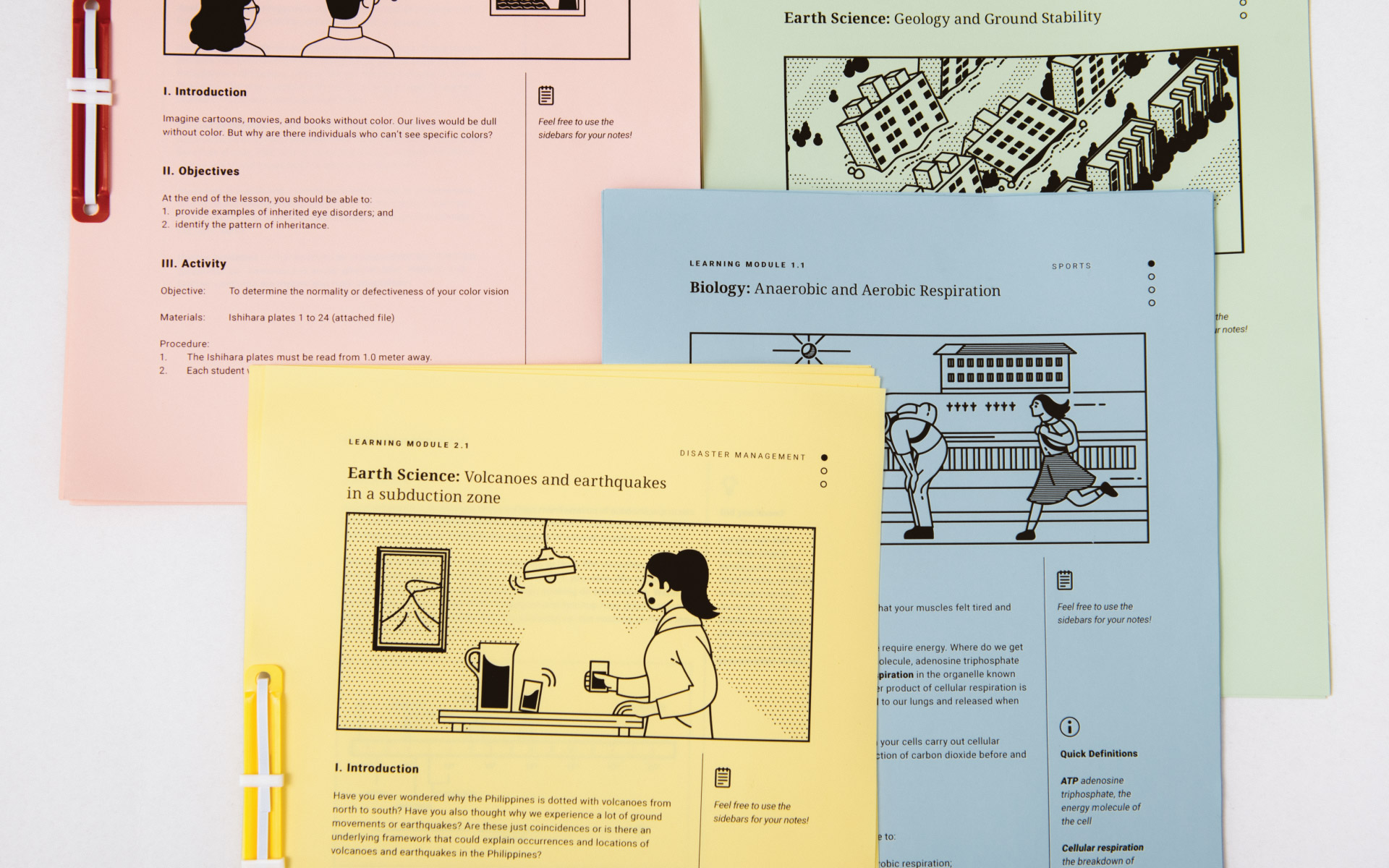
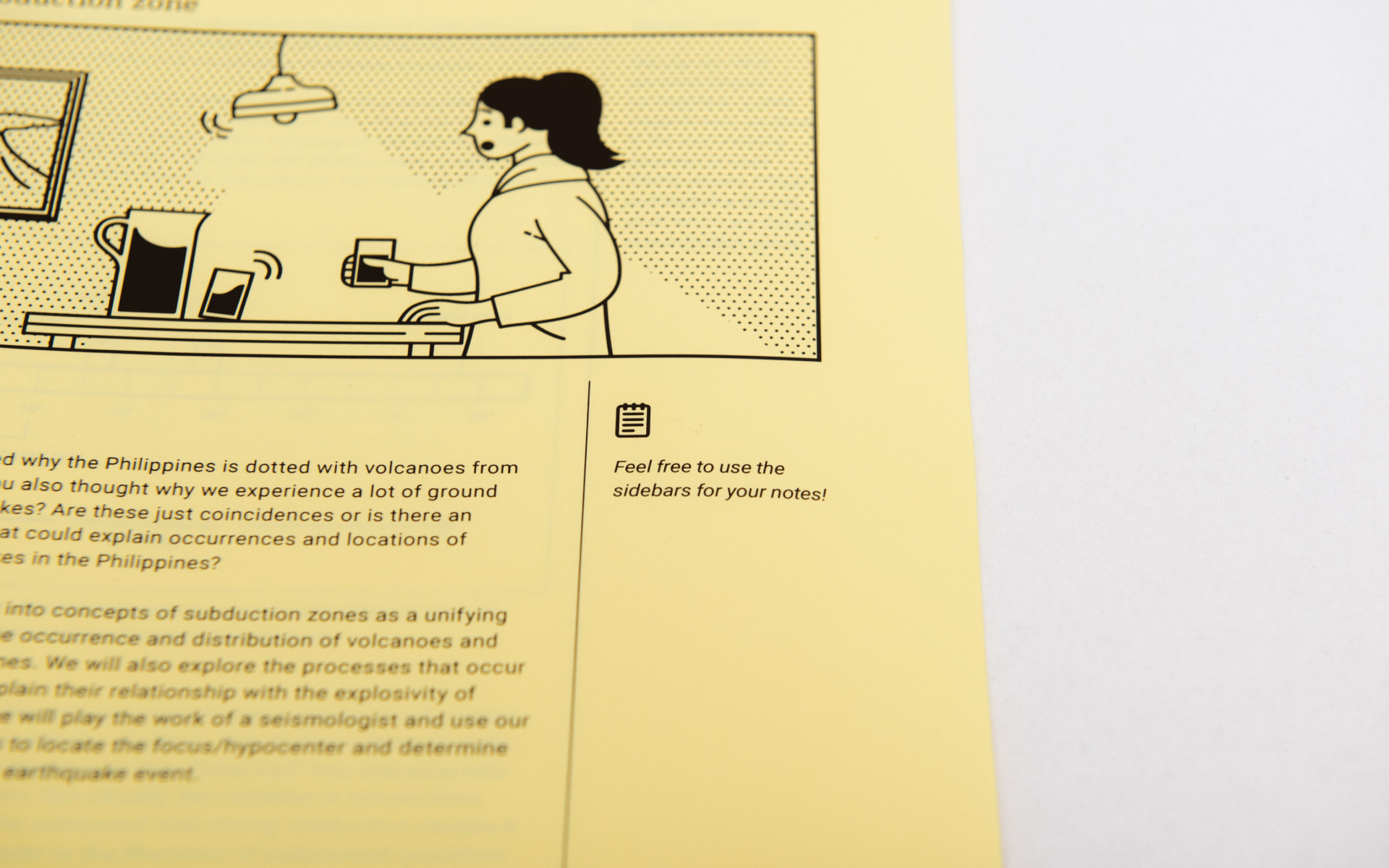
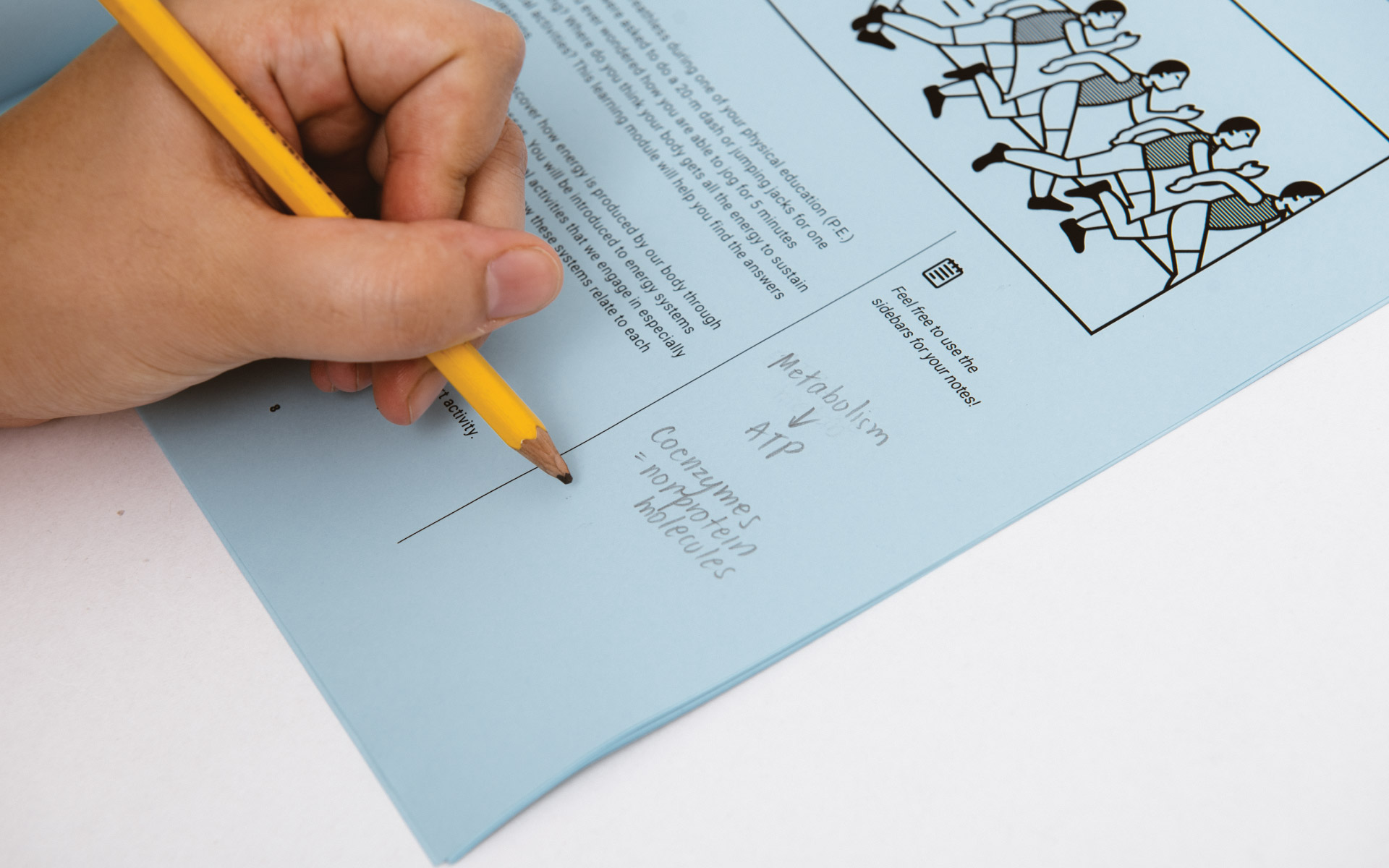
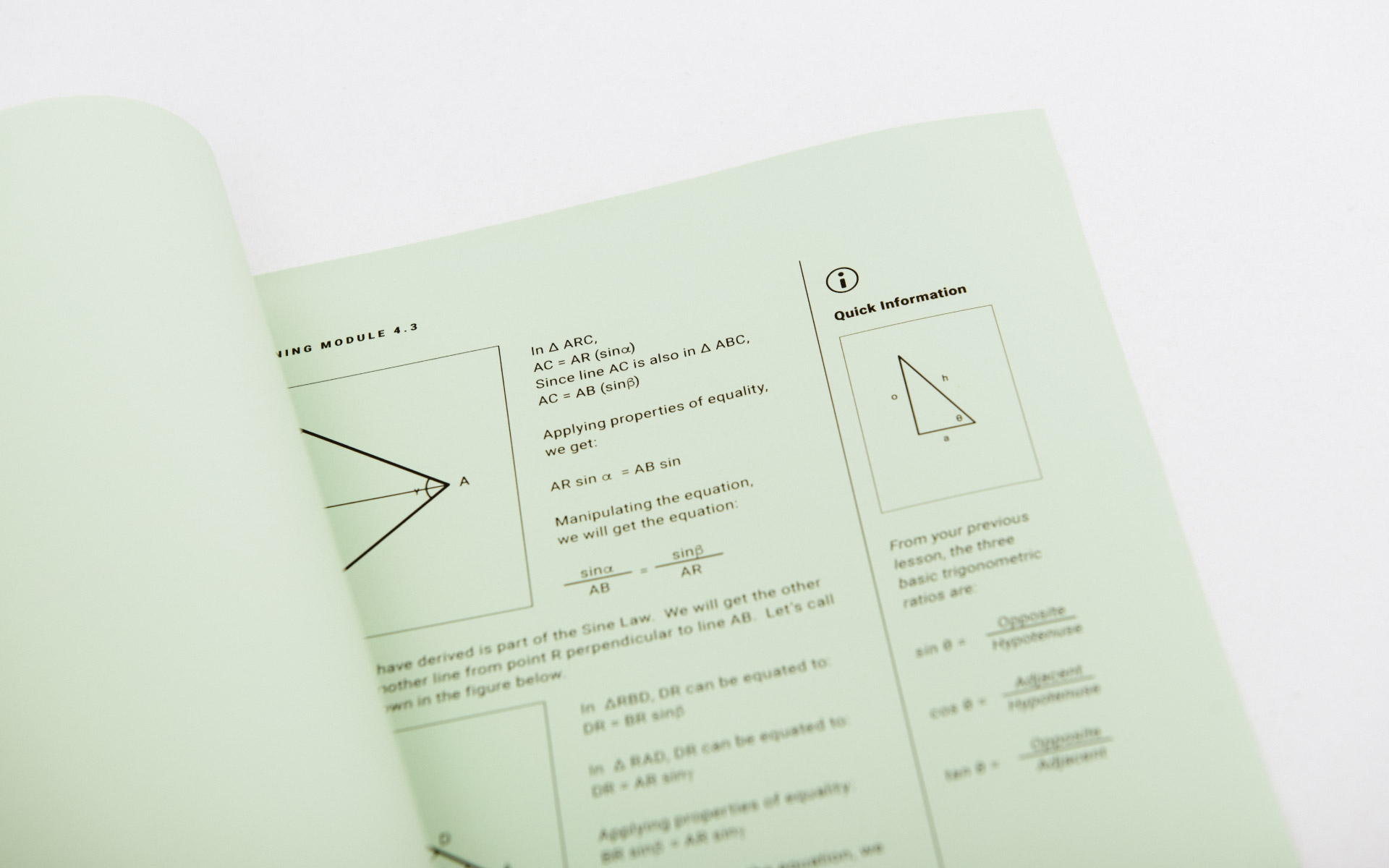
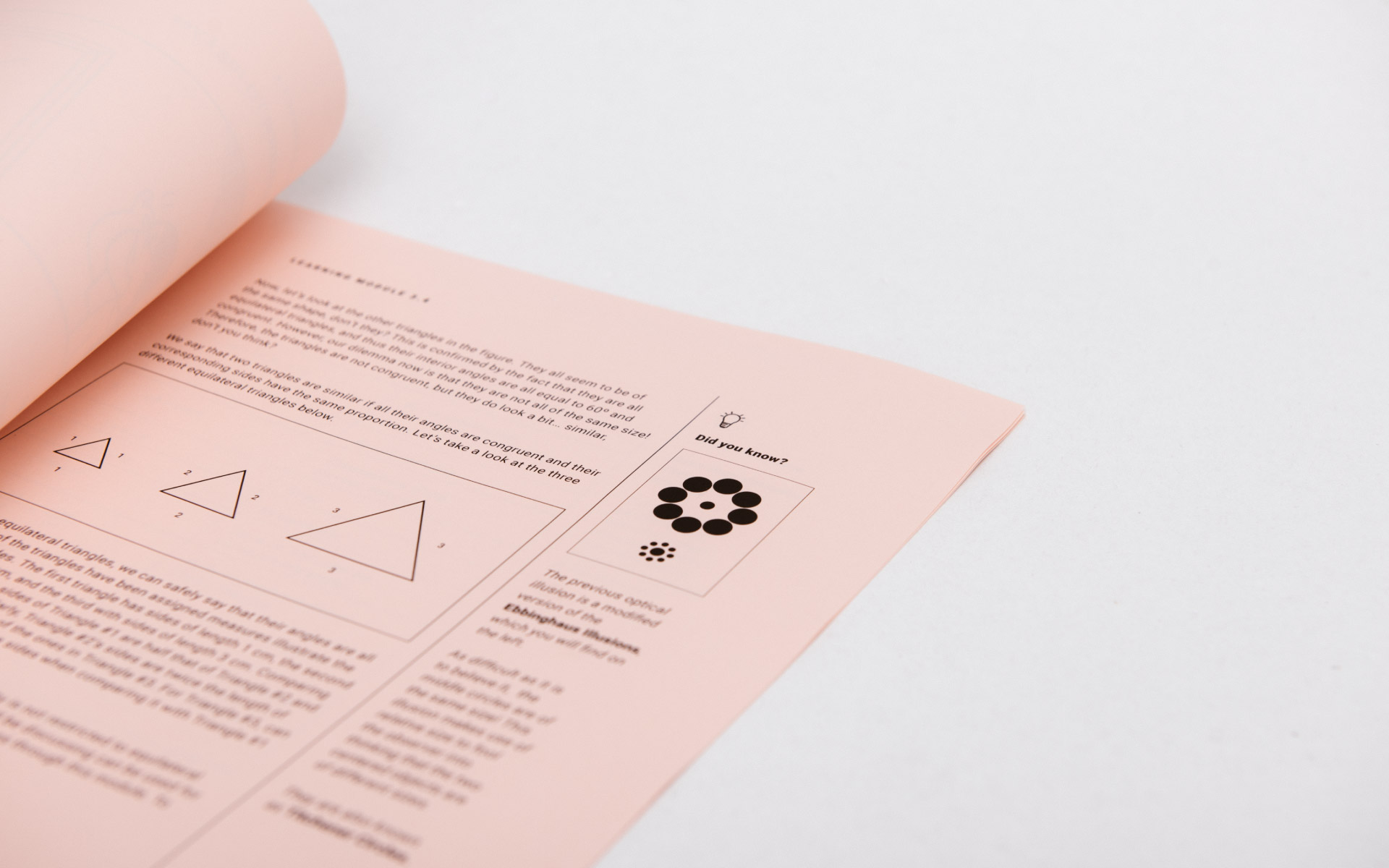
We made sure that modules could be produced and reproduced smoothly at minimal cost to anyone who used them by using lightweight paper, black ink, and legible Open Source fonts.
NEXT —
Housekeeping: We turned 6!